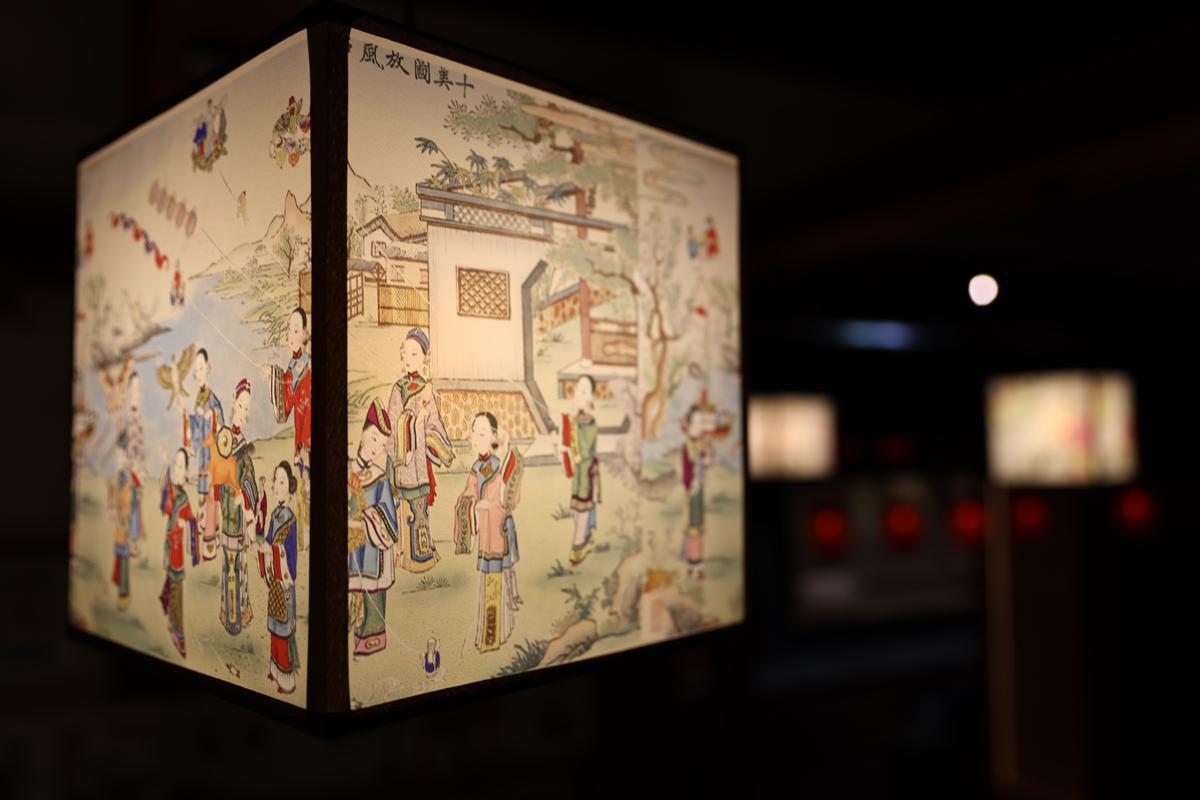
Foshan Woodblock New Year Pictures
Introduction
Foshan Woodblock New Year Pictures are a celebrated form of traditional Chinese folk art that have been treasured for centuries, particularly during the Spring Festival. Originating from Foshan in Guangdong province, these New Year pictures are part of a
Characteristics
Themes and Subjects
Foshan Woodblock New Year Pictures are characterized by their vibrant themes and subjects, which reflect traditional Chinese beliefs and values. Common motifs include door gods, kitchen gods, celestial beings, and auspicious animals such as dragons, tigers, and lions. These images are intended to bring good fortune, prosperity, and protection to households, particularly during the New Year festivities.
The pictures also depict scenes from Chinese folklore, mythology, and everyday life. Popular subjects include depictions of beautiful women, cherubic babies, and scenes of peaceful domesticity. In addition, New Year pictures often feature symbols of fertility and abundance, such as fish and lotus flowers, which are associated with prosperity and happiness.
Techniques and Materials
The creation of Foshan Woodblock New Year Pictures involves traditional woodblock printing techniques, a meticulous and labor-intensive process. Artisans begin by carving intricate designs into wooden blocks, typically made from pear or cherry wood. These blocks are then inked and pressed onto paper to produce the final print. The use of bold and vibrant colors is a hallmark of these pictures, achieved through multiple layers of printing and hand-painting.
Traditional materials used in the production of Foshan Woodblock New Year Pictures include handmade paper and natural pigments. The paper is often treated with a special coating to enhance its durability and color retention. Artisans employ a variety of tools and techniques to achieve the desired effects, blending colors to create depth and texture in the images.
Cultural Significance
Symbolism in Chinese New Year
Foshan Woodblock New Year Pictures hold deep cultural significance, particularly in the context of the Chinese New Year celebrations. They are imbued with symbolism and are believed to play a role in ensuring a prosperous and harmonious year ahead. The images of door gods, for instance, are traditionally placed at the entrance of homes to protect against malevolent spirits. Similarly, kitchen god pictures are displayed in cooking areas to bring blessings and good fortune to the household.
The themes and symbols depicted in these pictures are reflective of traditional Chinese values, such as filial piety, harmony, and prosperity. The use of auspicious motifs like the dragon and phoenix signifies power and success, while depictions of children represent the wish for a large and thriving family. These pictures serve as visual expressions of cultural identity and collective hopes for the future.
Influence on Local Culture
The tradition of Foshan Woodblock New Year Pictures has had a considerable influence on the local culture and artistic practices in Foshan and surrounding regions. The craft has contributed to the development of a unique artistic style that combines elements of folk art and classical Chinese painting. It has also played a role in preserving cultural narratives and promoting communal values through visual storytelling.
Foshan Woodblock New Year Pictures have inspired contemporary artists and designers, who draw on traditional themes and techniques to create modern interpretations of this art form. This fusion of old and new has helped to keep the tradition alive and relevant in today's cultural landscape, fostering a renewed appreciation for this enduring heritage.








